
Preparing to Record Your Story
Preparing to Record Your Story
Every story is different, and there is no right or wrong way to record yours. You don't need to prepare a formal interview or remember every date, name or detail.
This page is here to help you think about the kinds of memories and historical details that may be useful to the Australian Psychedelic History Project. Have a read through the questions below, see what they bring to mind, and then tell your story in whatever way feels natural to you.
Sometimes a seemingly small detail can provide an important piece of the historical record.
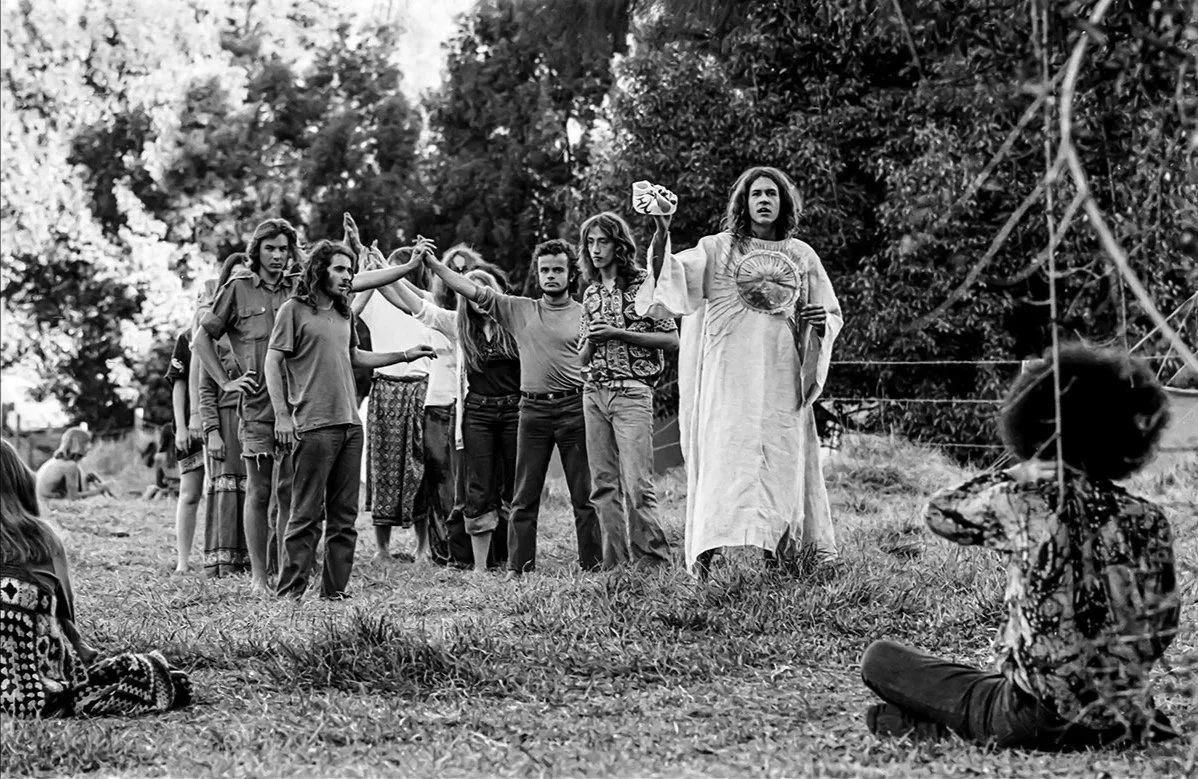
Aquarius Festival, Nimbin, 1973. Photograph by Peter Derrett OAM, used with permission Photo
What We Hope to Better Understand
There are still many gaps in our understanding of Australia’s early psychedelic history. By bringing together personal testimony, memories and archival material, we hope to better understand questions such as:
When and how were psychedelics used within Australian hospitals, psychiatric institutions and other medical settings? Were they used in psychedelic-assisted therapy, experimental research, psychiatric treatment or other contexts?
When did Australians begin foraging for psychedelic mushrooms, and when did cultivated mushrooms become available? How was knowledge about identifying, growing and using mushrooms shared, and how did practices and preferences change over time?
When did LSD first become available outside medical and research settings, and how did it begin circulating through Australian cities and communities?
When and where did psychoactive cacti begin to be grown, exchanged or used within Australian communities?
When did distinctly psychedelic ideas and culture begin to emerge in Australia? How and where did they first become visible, and what people, places, publications, music, art or overseas influences helped shape them?
How did people first encounter psychedelics, and how did knowledge about them move between friends, communities and generations? What people, books, travellers, gatherings or informal networks helped spread this knowledge?
How did these experiences affect people’s lives? We are interested in positive, negative, challenging, transformative and mixed experiences, as well as whether their meaning changed over time.
What role did psychedelics play in Australian culture and communities? Were they connected with intentional communities, alternative subcultures, music and art, festivals, spirituality, activism, environmental movements or other social and cultural changes?
Official records can only tell us part of this story. A small or everyday memory, such as where someone first encountered LSD, who taught them to identify a mushroom, a cactus growing in someone’s garden, or memories of a particular gathering, artist, doctor or community, can provide an important historical clue.
Together, these stories can help build a richer picture of when, where and how psychedelic ideas, substances, experiences and communities emerged across Australia.
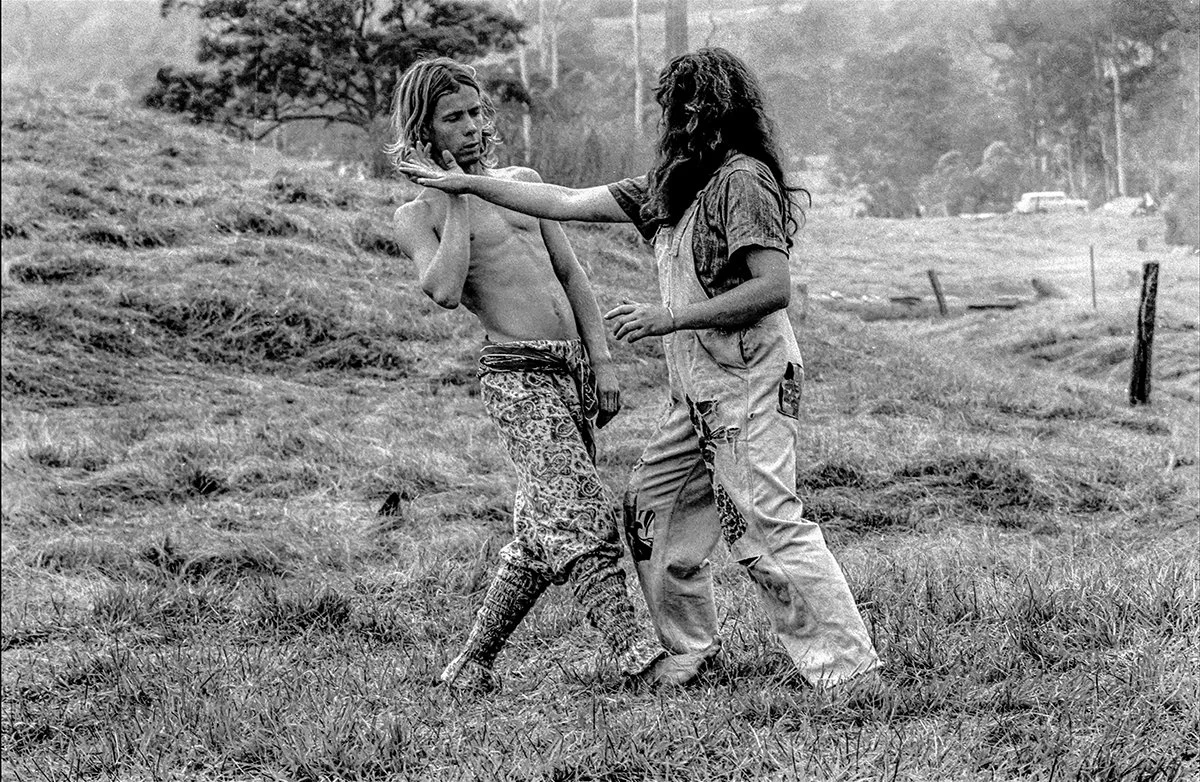
Aquarius Festival, Nimbin, 1973. Photograph by Peter Derrett OAM, used with permission Photo
In Your Own Voice, in Your Own Time
Record somewhere you feel comfortable, at home in private, in the garden or anywhere you can speak freely. There is no interviewer and no need to rush. Just sit with your thoughts and memories, and hit record when you're ready.
Your memories don't need to be perfect. Share as much as you can genuinely remember. Approximate dates, where you were, half-remembered names and small details can all provide valuable historical clues.
Take your time and tell the story in whatever way feels natural to you.
Not Sure Where to Begin?
There is no right or wrong way to tell your story. Speak naturally and share what you remember. You don't need to answer every question below, or any of them. You can simply tell us what you remember. These questions are just prompts to help you get started if needed.
Who are you, and who were you then?
How old were you, what was happening in your life, and what kind of person were you at the time?
When and where did this happen?
An approximate year is fine. What do you remember about the place, setting and atmosphere?
How did psychedelics first enter your life?
Was it through friends, a community, medical treatment or research, art or music, travel, spiritual exploration, or simply curiosity? What did you know about psychedelics at the time?
What did you take or experience?
If you remember, tell us what the psychedelic was and what you understood about it at the time. If it happened in a medical or research setting, were you told what you were being given and why?
Who else was there?
Were you alone, with friends, part of a group or community, or with doctors, therapists or researchers? You don't need to identify anyone you would prefer not to name. We are interested in understanding the broader cultural and social context around your experience. If relevant, you may also include the Nation, People or Country connected with this history, where known and appropriate to record.
What happened?
Tell us what you remember about the experience in your own words. What stands out when you think back on it now?
How did it affect you?
Was the experience positive, difficult, harmful, transformative or a mixture? Did it change anything about how you saw yourself or the world?
Did it have a lasting influence?
Did it affect your art, creativity, relationships, spirituality, work, activism, community, interests or the direction your life took?
What else do you remember about that time?
Think about people, places, music, gatherings, festivals, communities, attitudes towards psychedelics, or small details that might help us understand the period.
Looking back now, what does it mean to you?
Has the way you understand the experience changed over time? Is there something about this history you think future generations should know?
You don't need to remember everything. Sometimes the smallest detail can become an important piece of the historical record.
The Australian Psychedelic History Project is a community-led project dedicated to documenting and preserving this important part of Australia’s cultural history.
Your support helps us continue the research, record oral histories, preserve historical material and make this history accessible for future generations.
Every contribution, large or small, helps keep the project moving forward.